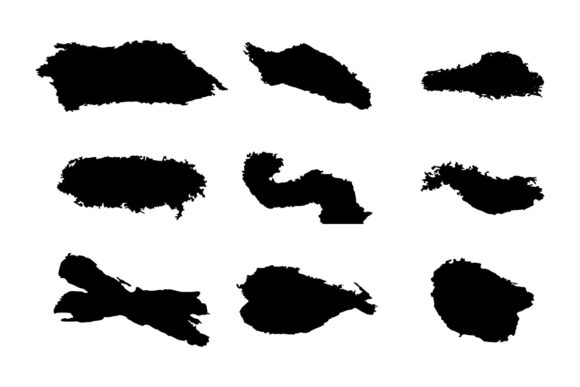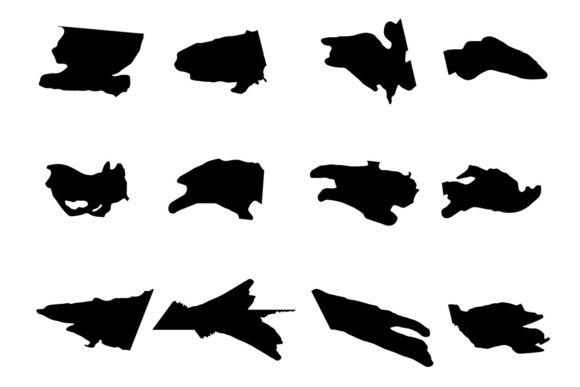
Exploring the Messy, Inky, and Glitchy Appeal of Different Styles of Art Brushes in Adobe Illustrator
In the realm of digital vector design, precision is often celebrated as the ultimate virtue. Clean lines, perfect curves, and scalable geometry define the standard output of tools like Adobe Illustrator. However, a growing number of designers are seeking to break away from this sterile perfection. They are looking for different styles of art brushes that introduce organic chaos, human error, and raw texture into their work. This shift has led to the rise of specialized brush collections characterized by messy, inky, rough, textured, and glitchy aesthetics. These exclusive brushes offer a unique bridge between the controlled environment of vector software and the unpredictable nature of traditional media or digital distortion.
Understanding what makes these varied and unique brushes distinct is essential for any designer aiming to elevate their visual storytelling. Unlike standard round or calligraphic brushes found in default libraries, these specialized tools are engineered to simulate imperfection. They allow users to create artwork that feels hand-crafted, aged, or digitally disrupted, all while maintaining the editability and scalability inherent to vector graphics. For professionals evaluating resources for their next project, knowing how to leverage these tools can significantly expand their creative repertoire.
The Distinct Character of Rough and Textured Vector Brushes
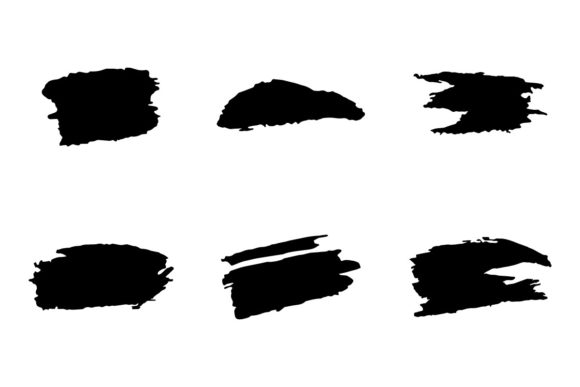
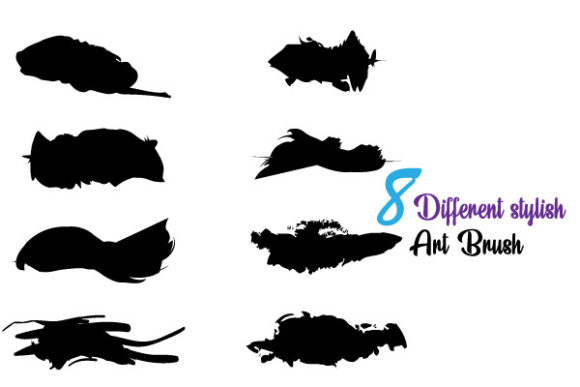
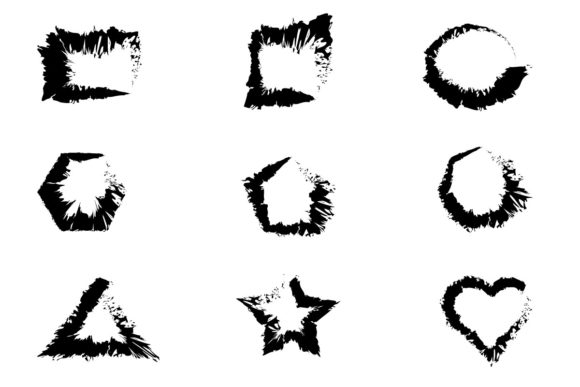
The primary appeal of different styles of art brushes lies in their ability to inject personality into vector illustrations. Traditional vector art can sometimes appear cold or corporate due to its mathematical precision. By incorporating brushes that are messy, inky, or rough, designers can soften this edge. These brushes mimic the behavior of dry ink, charcoal, worn stamps, or even corrupted digital files. The result is a visual texture that adds depth and interest without requiring complex layering or raster effects.
What sets these exclusive brushes apart is their construction. They are not merely images placed on a path; they are sophisticated vector patterns that respond to pressure, speed, and direction within Adobe Illustrator. This means that a single stroke can vary in thickness, opacity, and texture, replicating the natural variations found in hand-drawn art. For instance, an "inky" brush might start with a heavy saturation of black and taper off into a splattered, dry finish, mimicking the way a real pen runs out of ink. A "glitchy" brush might introduce jagged, pixel-like distortions that suggest data corruption, adding a modern, cyberpunk aesthetic to the design.
Comparing Organic Imperfection with Standard Vector Tools
When comparing these specialized brushes to standard options, the tradeoffs become clear. Standard brushes are ideal for logos, icons, and technical illustrations where clarity and uniformity are paramount. They offer predictability and ease of use. In contrast, different styles of art brushes focused on messiness and texture require a different approach. They are less about control and more about exploration. Designers must be willing to experiment with stroke weights, angles, and overlaps to achieve the desired effect.
However, the benefit of using these rough and textured brushes is the immediate addition of visual hierarchy and focus. A clean, minimalist layout can be dramatically enhanced by a single, bold, inky brushstroke that draws the eye. Similarly, a tech-focused presentation might benefit from glitchy elements that convey a sense of digital instability or innovation. The key difference is intent: standard tools build structure, while these artistic brushes add emotion and atmosphere.
Practical Applications and Best-Fit Scenarios
Determining when to use these different styles of art brushes depends largely on the project's goals. They are particularly effective in branding projects that aim to convey authenticity, ruggedness, or creativity. For example, a craft brewery label might utilize rough, textured brushes to suggest handmade quality and tradition. A music festival poster could employ glitchy, distorted brushes to reflect energy and modernity. In editorial design, inky splatters can serve as dynamic background elements that break up text blocks without overwhelming the content.
It is important to note that these brushes are not a one-size-fits-all solution. In contexts requiring high legibility or formal professionalism, such as legal documents or corporate annual reports, the messy and chaotic nature of these brushes may be distracting or inappropriate. Therefore, designers must evaluate the tone of their project carefully. The strength of these tools lies in their ability to disrupt expectations, so they should be used strategically rather than indiscriminately.
Customization and Editability: A Key Advantage
One of the most significant advantages of using these exclusive brushes in Adobe Illustrator is their easy customizable nature. Unlike raster-based textures, which can lose quality when scaled or changed, these vector brushes remain crisp at any size. Furthermore, because they are fully editable, designers can change the color of any stroke instantly. This allows for rapid iteration and experimentation. A designer can test a bright neon green glitch effect against a dark background, then switch to a subtle gray for a more subdued look, all with a few clicks.
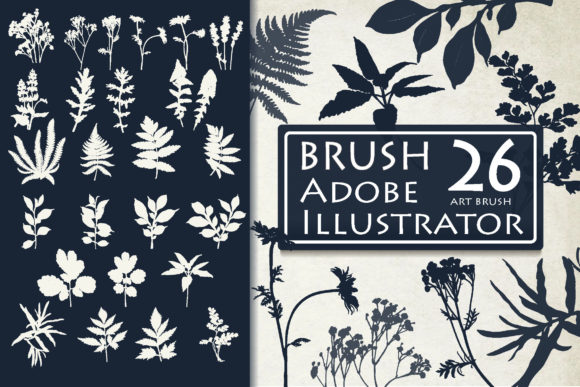
The inclusion of Adobe Illustrator CC files, specifically in SVG and EPS formats, ensures compatibility across various design workflows. SVG files are particularly valuable for web designers, as they can be embedded directly into websites without losing resolution. EPS files remain a standard for print production, ensuring that the intricate details of the rough and inky textures are preserved in high-quality prints. This flexibility makes these brushes a versatile asset for both digital and physical media.
Evaluating Limitations and Decision Factors
While different styles of art brushes offer unique creative possibilities, they do have limitations. Complex vector brushes with many anchor points can increase file size and slow down performance in older computers or when working with large, intricate compositions. Designers working on tight deadlines may find the trial-and-error process of achieving the perfect "messy" look time-consuming compared to using pre-made raster textures. Additionally, overuse of these effects can lead to visual clutter, making designs feel chaotic rather than curated.
When deciding whether to invest in or utilize these brushes, consider the following factors:
- Project Tone: Does the project benefit from an organic, raw, or disrupted aesthetic?
- Output Medium: Will the design be viewed primarily on screen (where SVGs excel) or in print (where EPS precision matters)?
- Technical Proficiency: Are you comfortable manipulating vector paths and adjusting brush settings to fine-tune the appearance?
- Brand Guidelines: Do the brand’s visual identity standards allow for irregular, textured elements?
If the answer to these questions aligns with the capabilities of messy, inky, and glitchy brushes, then they are likely the right choice. If the project demands strict uniformity or minimal file sizes, standard vector tools or simplified graphics may be more appropriate.
Integrating Brushes into a Cohesive Design Workflow
To get the most out of these different styles of art brushes, it is helpful to integrate them thoughtfully into your workflow. Start by creating a base layer with clean, structured elements. Then, use the rough or inky brushes to add accent details, backgrounds, or framing elements. This layered approach ensures that the chaos of the brushes enhances rather than overwhelms the core message. Experiment with blending modes and opacity settings to further integrate the textured strokes with other design elements.
Moreover, because these brushes are editable, do not hesitate to modify individual anchor points after applying a stroke. You can refine the shape of a splatter or adjust the jagged edges of a glitch effect to better fit your composition. This level of control is what distinguishes vector-based artistic brushes from static image overlays. It allows for a bespoke finish that is tailored specifically to the needs of each project.
In conclusion, different styles of art brushes that feature messy, inky, rough, textured, and glitchy characteristics offer a powerful tool for designers seeking to add depth and personality to their vector work. By understanding their distinct qualities, comparing them with standard options, and recognizing their best-fit scenarios, designers can make informed decisions about when and how to use them. With features like easy color customization and compatibility with SVG and EPS formats, these exclusive brushes provide a flexible and professional solution for a wide range of creative challenges. Whether you are designing for print or digital platforms, these tools enable you to break the mold of perfect vectors and embrace the beauty of imperfection.