Unlocking Creative Potential: A Guide to Abstract Watercolor Grunge Brushes and Digital Formats
In the rapidly evolving landscape of digital design, the line between traditional artistry and modern technology continues to blur. For graphic designers, illustrators, and hobbyists alike, abstract watercolor grunge brushes have emerged as an essential tool for adding depth, texture, and organic emotion to digital projects. These resources are not merely simple stamps; they are sophisticated assets that bridge the gap between the unpredictable beauty of hand-painted media and the precision of vector graphics. Understanding how to utilize these tools across various file formats—such as AI, EPS, SVG, JPG, PNG, and ABR—can significantly enhance your workflow and expand your creative possibilities.
The Essence of Abstract Watercolor and Grunge Textures
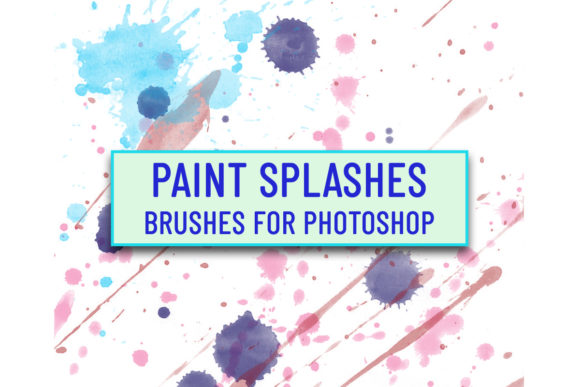
To truly appreciate the value of these brushes, one must first understand what they represent. Watercolor is renowned for its fluidity, transparency, and soft edges. It evokes a sense of calm, elegance, and artistic freedom. On the other hand, grunge textures introduce an element of chaos, wear, and raw energy. When combined, abstract watercolor grunge brushes create a unique aesthetic that is both refined and rugged. This duality makes them incredibly versatile for modern design trends that favor authenticity over sterile perfection.
These brushes simulate the natural imperfections of physical media. They capture the way paint bleeds into paper, the roughness of a dry brush stroke, and the splatter of accidental drops. In a digital environment, where every pixel can be perfectly controlled, introducing these "imperfections" adds a human touch that resonates with viewers. Whether you are designing a wedding invitation, a corporate branding package, or a social media post, these textures can elevate the visual narrative by providing a tactile quality that flat colors simply cannot achieve.
Why File Format Versatility Matters
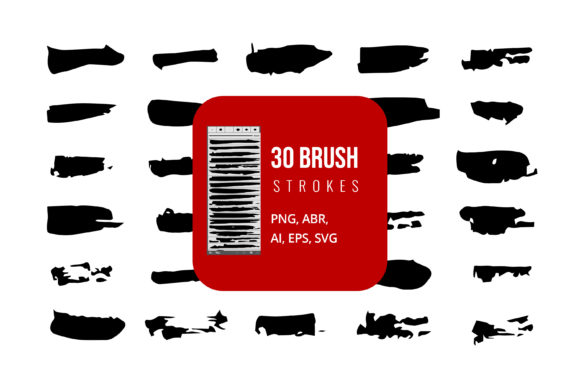
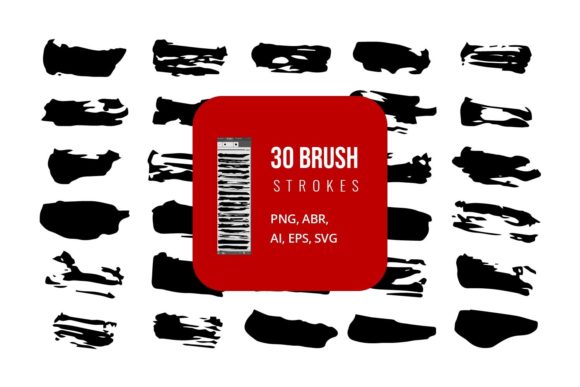
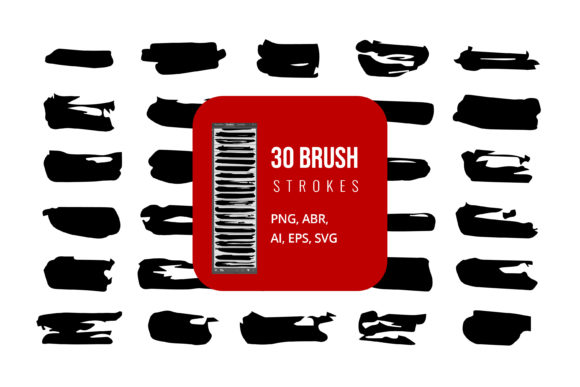
One of the most significant advantages of purchasing a comprehensive brush pack is the inclusion of multiple file formats. You will often receive files in AI (Adobe Illustrator), EPS, SVG, JPG, PNG, and ABR (Adobe Brush) formats. Each format serves a distinct purpose in the design ecosystem, and knowing when to use which can save hours of work.
- ABR Files: These are native brush files for Adobe Photoshop. They allow you to paint directly onto your canvas with dynamic settings, such as pressure sensitivity and flow, mimicking the actual experience of using a physical brush.
- AI and EPS Files: These are vector formats. Unlike raster images (pixels), vectors are mathematical paths that can be scaled infinitely without losing quality. This is crucial for large-format printing, such as billboards or vehicle wraps.
- SVG Files: Scalable Vector Graphics are ideal for web design. They are lightweight and code-based, ensuring that your graphics look crisp on any screen resolution, from mobile phones to 4K monitors.
- JPG and PNG Files: These are raster images ready for immediate use. PNGs, specifically, often come with transparent backgrounds, making them perfect for quick compositing in any software, including Microsoft Word or PowerPoint.
Integrating Brushes into Adobe Illustrator and Vector Workflows
For designers working in Adobe Illustrator, the availability of AI, SVG, and EPS files is a game-changer. Vector-based watercolor brushes allow you to maintain clean lines while incorporating textured fills. You can edit these files directly within Illustrator, changing colors to match your brand palette instantly. This is particularly useful for logo design or iconography where specific color codes (CMYK or Pantone) are required.
A common misconception is that watercolor effects cannot be vectorized. However, modern vector brushes use complex mesh gradients and opacity masks to simulate the look of wet paint. By using the AI Brush features, you can apply these textures along a path, creating seamless borders, frames, or typographic accents. Because these are vectors, you can resize a small floral element to cover an entire wall mural without any pixelation or loss of detail.
Enhancing Raster Projects with Photoshop ABR Brushes
While vectors offer scalability, Adobe Photoshop remains the king of photo manipulation and digital painting. Here, the ABR brush files shine. Installing these brushes into Photoshop allows for a highly interactive creative process. You can adjust the size, hardness, and opacity of the brush in real-time. Furthermore, because these are digital brushes, you can utilize layer styles, blending modes, and adjustment layers to further customize the look.
For example, if you are creating a digital poster, you might use a grunge watercolor brush to create a background wash. By setting the layer blending mode to "Multiply" or "Overlay," the texture interacts with the layers beneath it, creating a rich, composite image. This level of control is impossible with static JPG or PNG images, highlighting the importance of having the native ABR files in your toolkit.
Beyond Professional Design Software: Everyday Applications
You do not need to be a professional graphic designer with a subscription to Adobe Creative Cloud to benefit from these assets. The inclusion of JPG and PNG files makes these brushes accessible to a much broader audience, including educators, office workers, and small business owners.
Consider the everyday user who wants to create a visually appealing presentation in Microsoft PowerPoint or a newsletter in Microsoft Word. By simply dragging and dropping a high-resolution PNG watercolor splash into the document, you can break up text-heavy slides and add visual interest. These elements can serve as backgrounds for quotes, headers for sections, or decorative accents for bullet points. The transparency of PNG files ensures that they blend seamlessly with your existing document design, requiring no advanced technical skills.
This accessibility democratizes design. It allows teachers to create engaging worksheets, marketers to draft quick social media graphics, and entrepreneurs to design professional-looking invoices without hiring a freelance designer. The key is understanding that the JPG and PNG files are pre-rendered snapshots of the artistic effect, ready for immediate insertion into almost any software that supports image embedding.
Practical Tips for Using Watercolor Grunge Assets
- Layering is Key: Don’t rely on a single brush stroke. Build up complexity by layering multiple watercolor elements. Use lighter opacities for background washes and darker, more defined strokes for focal points.
- Color Harmony: While you can recolor vector files easily, raster images (JPG/PNG) are fixed. Choose brushes that complement your existing color scheme, or use Photoshop’s "Hue/Saturation" adjustment to tweak them slightly.
- Resolution Awareness: Always check the resolution of your JPG and PNG files. For print, ensure they are at least 300 DPI (dots per inch). For web use, 72 DPI is standard, but higher resolutions ensure clarity on retina displays.
- Combine Vector and Raster: For the best results, consider using vector shapes for text and logos, while using raster watercolor textures for backgrounds. This hybrid approach leverages the strengths of both formats.
The Role of AI and Modern Technology in Digital Art
The mention of AI in the context of these brushes often refers to two things: the Adobe Illustrator file format (.ai) and the growing influence of Artificial Intelligence in design. While this article focuses on the file format, it is worth noting that modern design tools are increasingly integrating AI-driven features. These features can help automate the placement of textures, suggest color palettes based on your watercolor elements, or even generate complementary grunge patterns.
However, the core value of these brushes lies in their hand-crafted origin. Even if assisted by digital tools, the initial creation involves artistic intuition. Using these presets allows you to bypass the time-consuming process of scanning and cleaning physical paintings, letting you focus on composition and storytelling. It is a synergy of human creativity and digital efficiency.
Conclusion: Elevating Your Design Toolkit
Incorporating abstract watercolor grunge brushes into your workflow is more than just a trend; it is a strategic move towards more expressive and engaging design. By understanding the distinct roles of AI, EPS, SVG, JPG, PNG, and ABR files, you unlock the full potential of these assets. Whether you are crafting a scalable vector logo in Illustrator, painting a detailed illustration in Photoshop, or simply sprucing up a PowerPoint presentation, these tools provide the flexibility and quality needed to stand out.
Embrace the organic nature of watercolor and the raw energy of grunge. Experiment with different formats, layer textures, and let these digital brushes bring a touch of authentic artistry to your modern projects. With the right knowledge and resources, you can transform ordinary designs into extraordinary visual experiences.