Unlocking Digital Creativity: A Guide to Using Watercolor Paint Splashes and Photoshop Brushes
In the evolving landscape of digital art, the line between traditional media and modern technology continues to blur. For designers, illustrators, and hobbyists alike, the ability to replicate the organic, unpredictable beauty of hand-painted watercolors within a digital workspace is a game-changer. This is where specialized tools like Paint Splashes and custom Brushes for Photoshop become invaluable. Specifically, collections featuring 47 watercolor splashes stains on different types of paper offer a unique bridge between tactile artistry and digital efficiency. By understanding how to utilize these resources, creators can elevate their projects with authentic texture and depth, saving hours of manual rendering while maintaining a high standard of artistic integrity.
The Significance of Texture in Digital Design
Digital art often suffers from a perception of being "too clean" or sterile. Unlike physical painting, where the grain of the paper, the bleed of the ink, and the randomness of a splash contribute to the final aesthetic, digital pixels are uniform. This is why integrating elements like watercolor splashes is so critical. These textures introduce chaos and humanity into a controlled environment. When you use brushes that mimic stains on different types of paper, you are not just adding color; you are adding context. The roughness of cold-press paper or the smoothness of hot-press stock changes how paint behaves, and replicating this digitally adds a layer of sophistication that viewers subconsciously recognize as authentic.
For professionals in branding, web design, and illustration, these assets are more than just decorative extras. They serve functional purposes in guiding the viewer’s eye, creating focal points, and establishing mood. A subtle watercolor stain can soften a harsh corporate logo, while a vibrant paint splash can inject energy into a minimalist poster. Understanding the purpose of these tools helps users move beyond simple application to strategic design choices.
Exploring the Collection: 47 Unique Watercolor Assets
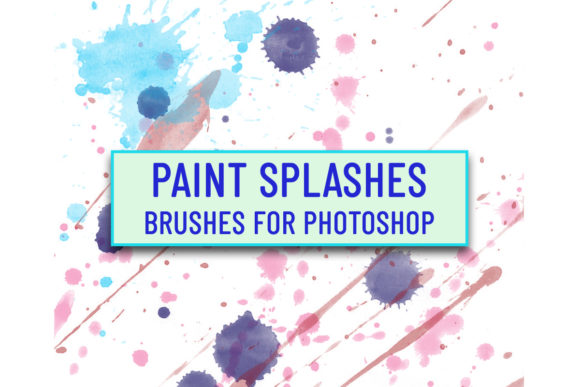
The specific collection in question offers a robust library of 47 watercolor splashes. What sets this apart from generic brush packs is the attention to detail regarding the substrate—the paper. Each brush has been created from real-world scans of paint interacting with various paper types. This variety ensures that no two strokes look identical, preventing the repetitive patterns that often plague lower-quality digital assets.
One of the most user-friendly features of this pack is the transparency and preview capability. As noted in the product details, you can see the size of every brush in preview images. This is crucial for workflow efficiency. Instead of blindly testing each brush on a canvas to gauge its scale and spread, designers can select the perfect tool for the job before even clicking. Whether you need a massive, dripping splash for a background element or a tiny, precise stain for a detailed accent, the visual previews allow for informed decision-making. This level of clarity supports both beginners, who may be unsure of what to expect, and experienced artists who need to work quickly under deadlines.
Practical Applications in Modern Creativity
The versatility of these Photoshop brushes extends across numerous industries. In education, teachers and instructional designers can use watercolor elements to create engaging, friendly-looking materials that feel less intimidating than stark digital graphics. In business and marketing, these textures are ideal for social media content, where standing out in a feed often requires organic, eye-catching visuals. Wedding invitations, book covers, and packaging designs also benefit greatly from the elegant imperfection of watercolor stains.
Furthermore, these tools democratize high-end artistic effects. Not everyone has the space, budget, or skill to master physical watercolor painting. However, with these digital brushes, a novice can achieve professional-looking results by simply dragging and dropping or brushing onto a layer. This accessibility fosters creativity, allowing individuals to experiment with composition and color theory without the fear of wasting expensive physical supplies.
Step-by-Step Installation Guide
Getting started with these tools is straightforward, but proper installation ensures they function correctly within your workflow. The file included is an ABR file, which is the standard format for Adobe Photoshop brushes. Follow these instructions to integrate the WatercolorSplashes.abr file into your software:
- Download and Unzip: After purchasing or downloading the asset pack, locate the compressed file on your computer. Right-click and extract the contents to a folder you can easily access. You should see the WatercolorSplashes.abr file inside.
- Method One: Drag and Drop: Open Adobe Photoshop. Locate the WatercolorSplashes.abr file in your file explorer. Simply click and drag the file directly into the open Photoshop window. The software will automatically install the brushes.
- Method Two: Double-Click Installation: Alternatively, ensure Photoshop is closed or running in the background. Double-click the WatercolorSplashes.abr file. This action typically triggers Photoshop to load the new preset automatically.
- Method Three: Preset Manager: For more control, open Photoshop and go to Edit > Preset Manager (or find it under the Window menu if you have the Brush panel open). In the Preset Type dropdown, select "Brushes." Click on the Load button, navigate to your unzipped folder, select the ABR file, and click Open.
Once installed, you can access your new tools by going to Window > Brush or Brush Presets. You will find the 47 watercolor splashes listed there, ready for use.
Customizing Your Brushes for Maximum Impact
While the brushes come pre-configured with realistic textures, the true power of Photoshop lies in customization. Within the Brush Settings panel, you can alter various properties to suit your specific project needs. Here are a few key adjustments to consider:
- Opacity and Flow: Lowering the opacity can create a translucent, layered effect, mimicking the way watercolor builds up gradually on paper. Adjusting flow controls how quickly the paint applies, allowing for softer edges.
- Size Jitter: If you are using a graphics tablet, enabling size jitter based on pen pressure allows you to control the thickness of the splash dynamically, adding a natural, hand-drawn feel.
- Color Dynamics: Experiment with foreground/background jitter to introduce subtle color variations within a single stroke, enhancing the organic look of the watercolor stain.
- Blending Modes: Changing the layer blending mode to Multiply or Overlay can help the splashes interact more realistically with underlying colors and textures, simulating the way pigment sinks into paper fibers.
Common Misunderstandings and Best Practices
A common misconception among beginners is that digital brushes are a "cheat" or that they limit creative growth. In reality, these tools are akin to buying a high-quality set of physical paints; they are instruments that require skill to wield effectively. Another assumption is that one size fits all. However, because this pack includes stains on different types of paper, it is essential to choose the right brush for the right context. A rough-texture splash might look out of place on a sleek, modern tech interface, whereas it would thrive in a rustic, handmade-style design.
To get the most out of these Paint Splashes, always consider the lighting and directionality of your composition. Watercolor flows with gravity; ensuring your digital splashes align with the logical flow of your design adds to the realism. Additionally, do not be afraid to combine multiple brushes. Layering a large, faint wash with a smaller, sharper stain can create depth and complexity that a single stroke cannot achieve.
Conclusion
The integration of 47 watercolor splashes into your digital toolkit represents a significant step toward mastering hybrid design techniques. By leveraging these Brushes for Photoshop, you gain the ability to infuse your work with the warmth and unpredictability of traditional media. Whether you are a seasoned graphic designer looking to streamline your workflow or a beginner eager to explore digital painting, understanding how to install, customize, and apply these assets is essential. Embrace the texture, experiment with the settings, and let the organic beauty of watercolor elevate your digital creations. With the right tools and knowledge, the gap between the physical and digital worlds disappears, leaving only pure, unadulterated creativity.